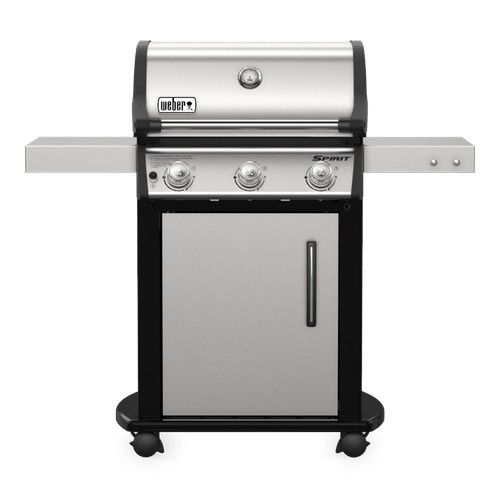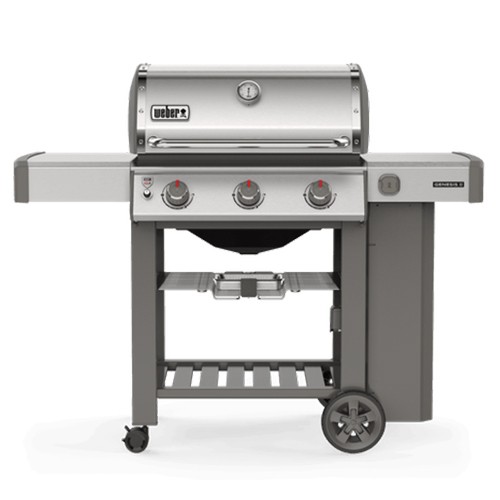


Compare Size, Features and Long-Term Fit
Weber Spirit and Genesis Grills: A Practical Buying Guide
Weber's Spirit and Genesis families serve different kinds of grill owners. This guide explains the practical differences that matter when you are choosing cooking space, heat features, patio footprint, fuel type, accessories, maintenance, and total value.
Spirit or Genesis: Start with the Way You Cook
Spirit models are commonly a strong fit for patios where space and simplicity matter. They can provide the familiar gas-grill experience without requiring the largest footprint or budget. Genesis models generally move toward more cooking capacity, broader feature packages, and a larger outdoor presence. Exact specifications change by model year, so compare the current model sheets rather than relying on an old advertisement or an online photo.
Think in meals, not marketing terms. Count how many people you cook for on a normal weeknight, then consider the largest group you host several times a year. Decide whether you routinely use indirect heat, a rotisserie, a griddle, high-heat searing, or side cookware. A compact grill that handles ninety percent of your cooking comfortably may be a better choice than a large grill that crowds the patio.
| Question | Spirit may fit when… | Genesis may fit when… |
|---|---|---|
| Patio space | You need a more compact footprint | You have room for a broader cart and work area |
| Typical meals | Everyday family grilling is the priority | Larger meals and multiple heat zones are frequent |
| Feature needs | You prefer a straightforward setup | You value expanded cooking systems and options |
| Budget | You want capable Weber performance at a lower entry point | You are investing more for capacity and features |
| Entertaining | Occasional small gatherings | Regular parties or multi-course outdoor cooking |
Compare the Exact Model, Not Just the Series Name
Series names cover multiple configurations. Burner count, grate dimensions, side-table design, storage, finish, fuel, included accessories, and specialty cooking zones can vary. Two grills in the same family may feel different in daily use. Write down the complete model number of every grill you are comparing and make a simple side-by-side list.
Cooking system
Look at primary grate area, burner zones, warming space, heat distribution, ignition, and whether specialty cooking features support meals you actually prepare.
Patio fit
Measure total width with shelves, depth with the lid open, working clearance, storage access, cover clearance, and the route from delivery vehicle to patio.
Ownership
Compare cleaning access, grease management, replacement components, warranty terms, compatible accessories, and the effort required to keep the grill ready.
Do not assume a feature is included because a photo shows it. Verify the exact model, box contents, and current specifications. If a connected feature or accessory ecosystem matters, ask what it requires and whether you will realistically use it.


Fuel, Placement and Safe Clearances
Choose propane or natural gas before ordering. A propane model provides cylinder portability, while a natural-gas model connects to a properly sized household supply. The appliance must match the intended fuel. Conversion is not a universal DIY step; use only manufacturer-approved configurations and qualified help where required.
Follow the current owner's guide for clearances and placement. Keep the grill outdoors in a well-ventilated area, away from combustible surfaces, doors, low overhangs, and traffic pinch points. The lid must open freely. A grill mat or patio surface should tolerate heat and grease. Position the cylinder, hose, and shutoff so they can be inspected and operated without reaching near hot surfaces.
South Florida Care for a Weber Gas Grill
South Florida equipment lives in a demanding environment. Humidity, salt carried inland on the air, wind-driven rain, irrigation overspray, pollen, grease, and year-round use all affect finishes and internal components. “Stainless steel” is not a promise that every part will remain spotless forever. Grade, fabrication, fasteners, welds, drainage, ventilation, cleaning habits, and placement all influence long-term condition.
Plan for access as well as appearance. A grill or appliance should be removable without dismantling an entire island. Shutoffs should remain reachable. Cabinets need appropriate ventilation for the fuel and appliances installed. Drainage should keep water from collecting against metal or inside storage. Covers can help, but they should fit properly and should not trap moisture around equipment that is already wet.
Brush loose food residue from the cooking grates, empty the grease system before it overfills, and periodically clean the cookbox after the grill is fully cool. Inspect burner openings rather than enlarging them with sharp tools. If flames become uneven, yellow, weak, or appear outside the normal burner area, stop and diagnose the cause instead of continuing to cook.
Keep a fitted cover available, but allow a damp grill to dry. Avoid chlorine bleach, abrasive steel wool, or harsh chemicals that can damage stainless surfaces. Coastal residue is easier to remove with routine gentle cleaning than after months of buildup. Follow the Weber manual for the exact model because finishes and components differ.
How to Make the Final Choice
1. Define the job
Decide whether you are replacing one appliance, furnishing a patio, or planning a complete outdoor kitchen. Separate must-have functions from optional upgrades.
2. Verify the site
Confirm measurements, fuel, electrical needs, ventilation, clearances, delivery access, and the condition of any existing island or utility connections.
3. Compare the right options
Judge cooking area, heat system, materials, serviceability, warranty, accessory fit, and total installed value—not just the headline price.
4. Confirm the scope
Before ordering, make sure the quote identifies products, finishes, responsibilities, delivery, installation assumptions, and any work handled by other trades.
5. Prepare for delivery
Clear access, protect nearby finishes, confirm utilities and cutouts, and keep model and warranty information with your home records.
6. Maintain the investment
Use appropriate cleaners, empty grease systems, inspect burners and hoses, address corrosion early, and schedule service when flame or ignition changes.
During a showroom comparison, open the hood, move the grates, remove the grease tray, handle the controls, and picture the grill in its actual location. Ask which features are standard, which are optional, and what the warranty covers by component. Then compare the complete cost of the grill, cover, fuel setup, accessories, delivery, assembly, and any site work.
Frequently Asked Weber Comparison Questions
Is Genesis always better than Spirit?
No. Genesis generally offers more size or features, but Spirit may be the better fit for a smaller patio, everyday cooking, or a more focused budget. The best grill is the one that fits the actual household and space.
How many burners do I need?
Choose enough independently controlled zones for the food you cook. Three zones can make indirect cooking easier than two, but burner count alone does not describe usable area or heat quality.
Can a propane Weber be connected to natural gas?
Do not assume it can. Fuel configuration is model-specific. Use only methods explicitly approved by the manufacturer and follow local requirements.
What measurements should I bring?
Bring patio width and depth, clearance around the cooking position, the path for delivery, and—if replacing a grill—the complete model information and photos.
Continue with showroom shopping guidance, browse BBQ grills, or find Boca Raton and Delray Beach locations.
Before You Approve a Product or Project Quote
A useful quote should make it easy to understand what you are buying and what still needs to happen before the equipment can be used. Match every line to a complete manufacturer model number, fuel type, finish, and quantity. If a product is described only by a broad family name, ask for the exact configuration. Confirm whether accessories shown in a photograph are included or sold separately.
Separate the appliance cost from delivery, assembly, installation, removal of old equipment, utility work, cabinetry, countertops, permits, and repair of surrounding finishes. Those responsibilities vary by job. A freestanding grill on an open patio is different from a heavy built-in appliance that must pass through narrow access and fit an existing stone island. A complete outdoor kitchen may involve several trades whose work must be sequenced correctly.
| Quote detail | What good documentation answers |
|---|---|
| Products | Exact model, fuel, finish, quantity, included parts and optional accessories |
| Site assumptions | Verified dimensions, access, utilities, ventilation, clearances and surface conditions |
| Responsibilities | Who delivers, assembles, installs, connects utilities, removes debris and tests operation |
| Schedule | Product availability, estimated sequence, dependencies and conditions that may change timing |
| Protection | Warranty terms, return or cancellation rules, inspection process and documentation for damage |
Review current installation instructions before fabrication or utility work. Manufacturer specifications can change, and dimensions copied from an old website, advertisement, or similar model are not a safe substitute. Field measurements should be verified by the appropriate person before a custom opening or countertop is cut.
Finally, keep the proposal, model and serial numbers, manuals, receipts, warranty registration, photographs, and contractor information together. Good records make maintenance, parts research, insurance questions, and future replacement much easier. If something on the quote is unclear, resolve it before ordering. A short clarification at the beginning is far less expensive than correcting a fuel, fit, access, or scope problem after equipment arrives.
Plan Your Next Step with Palm Beach Grill Center
Visit a showroom to compare equipment in person, call with a product or replacement question, or send project details online. The more information you provide about your space and cooking priorities, the more focused the recommendation can be.