
Palm Beach Grill Center
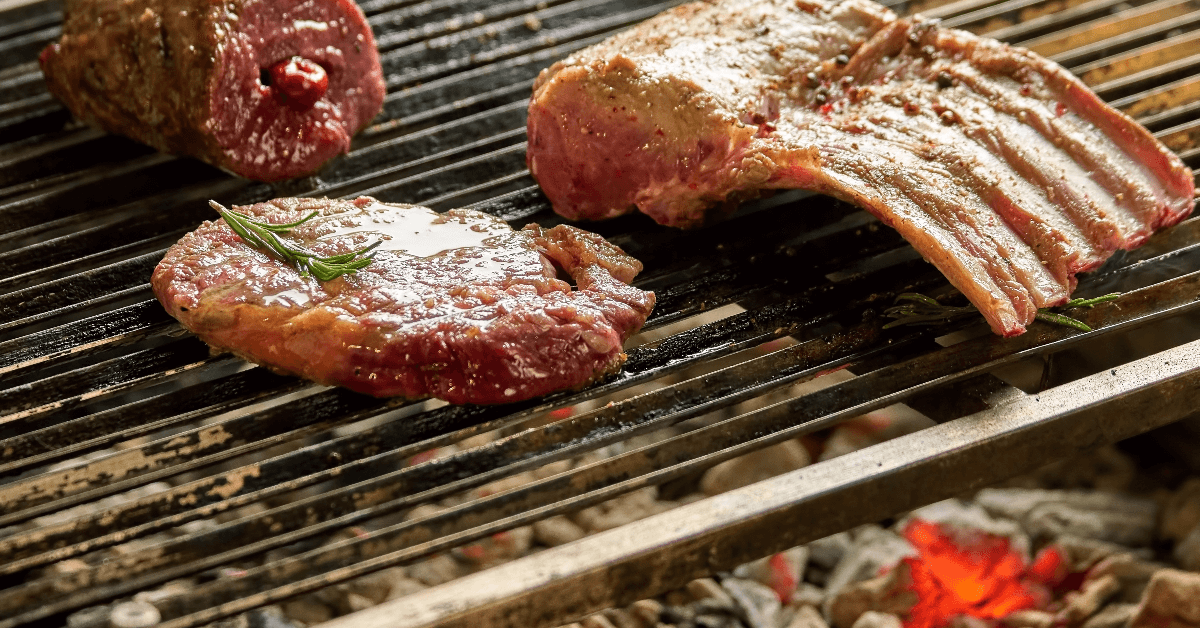
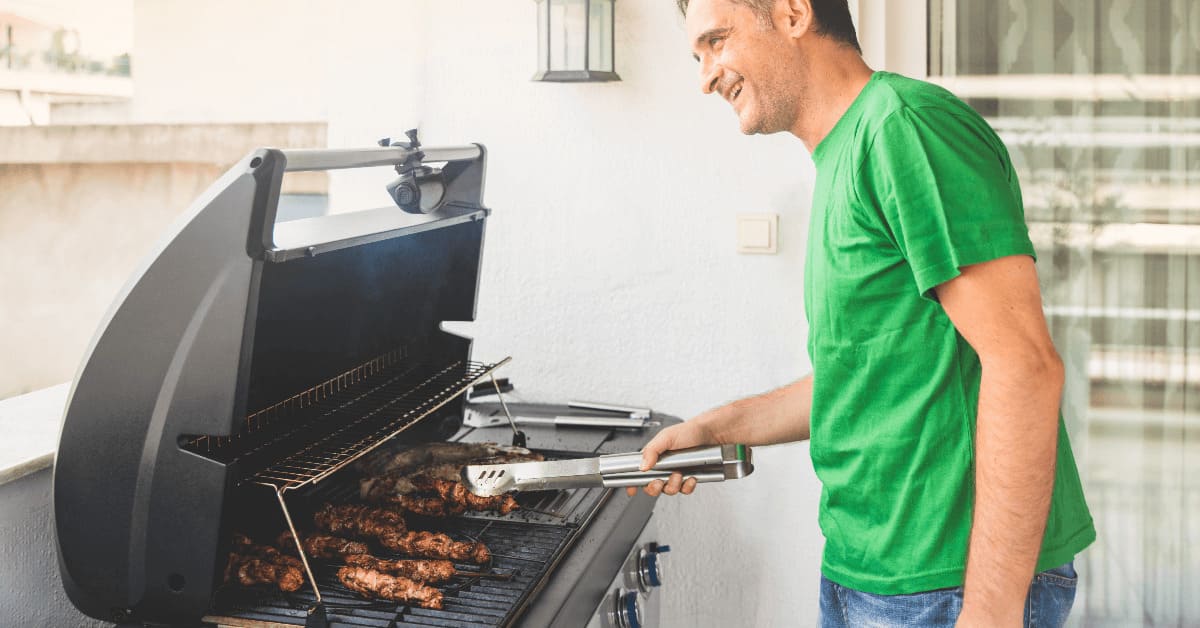
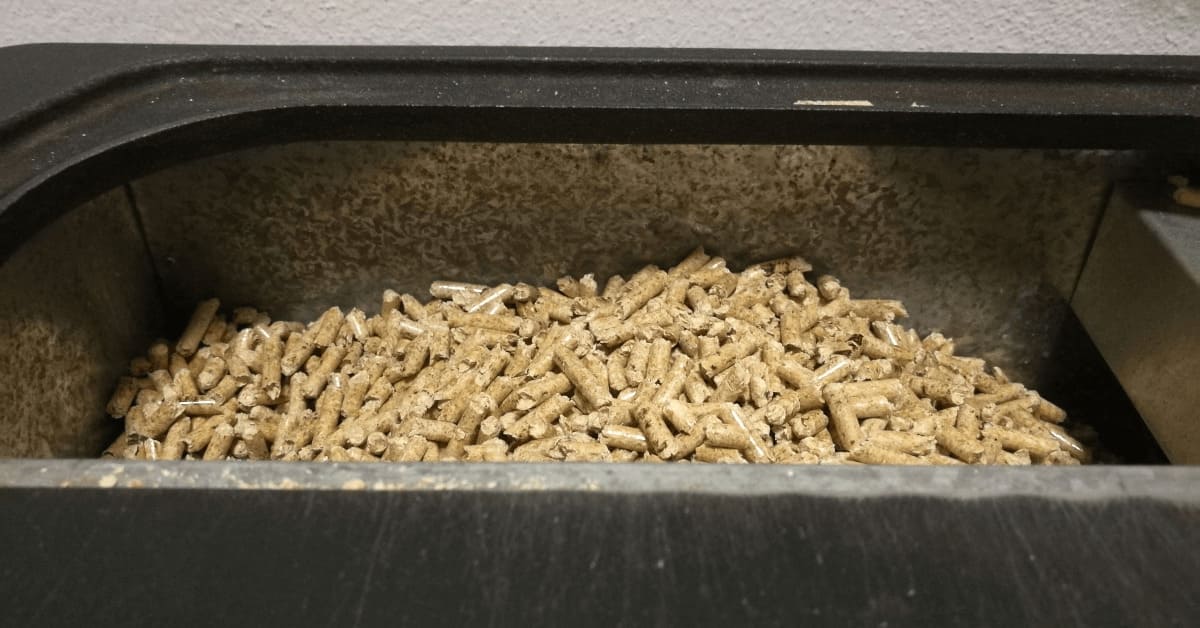
Food-grade hardwood smoking pellets adding clean smoke to a two-zone charcoal grill

Charcoal flavor playbook

How to Use Wood Pellets on a Charcoal Grill

Food-grade hardwood smoking pellets can add measured wood flavor to a charcoal cook without buying a pellet grill. The key is to use pellets made for cooking, establish a clean charcoal fire first, add a small controlled dose, and manage the vents so the smoke stays light—not thick, stale, or bitter.

Two-zone setupFlavor pairingClean smoke

The short answer

Light the charcoal and wait until the fire is stable. Arrange a two-zone grill, then add a small handful of dry, food-grade smoking pellets to the hot coals or place them in a vented foil pouch or approved smoker accessory over the heat. Put the food on the cooler side, cover the grill, and keep the exhaust vent open enough for smoke to flow past the food. Add more only after tasting what the first dose does.

Use cooking pellets only. Heating pellets, animal bedding, landscaping products, construction scraps, plywood, painted wood, pressure-treated lumber, and unknown sawdust products are not grilling fuel. They may contain unsuitable species, bark, adhesives, finishes, contaminants, or additives.

First choice

Choose pellets for food—not just anything shaped like a pellet

Look for cooking or smoking use

The packaging should clearly identify the product as hardwood pellets intended for grilling or smoking food. It should name the wood species or blend and provide storage and appliance instructions. If the intended use is unclear, do not put it in a cooking fire.

Keep the ingredient list simple

Quality cooking pellets are typically made from compressed hardwood. Natural wood lignin can help the particles bind during manufacturing; a pellet does not need glue simply because it holds together. Avoid products with oils, chemical flavoring, binders, or fillers unless the grill manufacturer explicitly approves that product.

Protect them from humidity

Pellets readily absorb moisture. Florida humidity can turn a crisp pellet soft, swollen, or crumbly. Store the bag sealed in a dry indoor location away from the grill’s heat. Pellets that have become damp, moldy, contaminated, or powdery belong in the trash—not the fire.

Food-grade smoking pellets are a flavor supplement in this method; charcoal remains the main heat source. That distinction matters. A charcoal grill does not automatically meter fuel and air the way a purpose-built pellet cooker does, so you control the dose, placement, and airflow yourself.

Flavor map

Match the wood to the food and the length of the cook

Apple or cherry

Milder, slightly sweet smoke that is forgiving with poultry, pork, vegetables, and fish. Cherry can deepen exterior color. These are useful starting points when you do not yet know how much smoke your family prefers.

Pecan

Nutty and rounded, usually gentler than a heavy hickory profile. It works with pork, poultry, beef, and baked dishes. Pecan is also useful for blending a stronger wood down.

Hickory or oak

Classic savory profiles for ribs, pork shoulder, burgers, sausage, and beef. Oak is versatile; hickory can become assertive during a long cook. Begin with a small amount.

Mesquite

Earthy, bold, and fast to announce itself. It can suit short, hot beef cooks, but a large dose may overpower poultry, fish, or a long barbecue. Blend it with oak or use it sparingly.

Flavor is not a hardwood contest. Pellet brands, blends, charcoal types, grills, weather, food surfaces, and personal preference all change the result. Keep one variable at a time: use the same charcoal and cooking method, adjust the pellet dose, and record what tasted balanced.

Three delivery methods

Control how quickly the pellets meet the fire

Directly on hot coals

Best for: quick cooks and immediate smoke.

Scatter a small amount across a compact area of established coals. Pellets ignite and release smoke quickly, so have the food and lid ready. Do not bury a mound that can restrict airflow or create a dense burst.

Vented foil pouch

Best for: a slower, more contained release.

Place dry pellets in a heavy-duty foil pouch and pierce a few small holes in the top. Position the pouch on or just above the hot coals as the grill manual permits. The pouch makes the dose easy to remove once enough smoke has been applied.

Approved smoker box or tube

Best for: repeatable placement.

Use an accessory designed for the heat and geometry of your grill. Follow its lighting and clearance instructions. A pellet tube made for cool-smoking conditions may behave differently over charcoal; do not improvise a placement that can spill burning pellets.

Do not soak wood pellets.

Pellets are compressed material that can swell and fall apart when wet. Added moisture also delays clean combustion and can produce a steamy, dirty-smoke period. Keep pellets dry; regulate the smoke with dose, placement, vents, and timing.

Repeatable method

A step-by-step charcoal-and-pellet cook

1. Clean and inspect the grill

Remove excess ash that could block intake vents, confirm the cooking and charcoal grates are stable, and clear grease from the system according to the manual. Put the grill outdoors on a level, noncombustible surface with proper clearances.

2. Light the charcoal safely

Use the lighting method approved for the grill. A chimney starter is a common way to establish coals without leaving a layer of lighter-fluid odor. Never add lighter fluid to burning or hot coals.

3. Build two zones

Place the lit charcoal on one side or around the perimeter, depending on the grill and recipe. The charcoal side provides direct radiant heat; the open side creates an indirect area where food can cook more gently while smoke circulates.

4. Stabilize the temperature

Install the grate, close the lid, and adjust vents toward the recipe’s target. Wait for the grill to settle. Starting the smoke before the fire is burning cleanly can combine pellet smoke with harsh startup smoke.

5. Add a conservative pellet dose

Begin with roughly a small handful for a standard kettle-sized grill, or use the accessory manufacturer’s quantity. The exact amount is not universal. Add it directly, in a pouch, or in an approved container based on how quickly you want the flavor delivered.

6. Place food in the correct zone

For longer cooks, set the food on the indirect side and position the lid exhaust so smoke travels across it before exiting. For a short steak or burger cook, use smoke during the indirect or early stage, then sear over direct heat.

7. Let the exhaust work

Do not choke the top vent shut to “hold smoke in.” Fire needs airflow, and old smoke needs a path out. Use the intake primarily to manage heat while maintaining enough exhaust for clean circulation, following the grill’s instructions.

8. Measure food temperature

Smoke color and cooking time do not prove doneness. Use a clean food thermometer in the thickest appropriate part of the food, away from bone and major fat pockets. Follow the recipe plus current food-safety guidance.

9. Shut down and dispose of ash safely

Close the grill according to its manual and treat pellets, charcoal, and ash as hot until completely cold. Do not place warm ash in a plastic bin, paper bag, mulch bed, or regular trash. Use the fire-safe disposal method your grill manufacturer and local rules specify.

Smoke quality

Aim for a light, moving smoke—not a white cloud trapped under the lid

Fresh smoke from a newly added pellet dose can be visible, but it should settle as combustion stabilizes. A lighter stream that moves through the cooker usually creates a cleaner flavor than heavy smoke that lingers around food. Thick, stale smoke can deposit bitter or acrid compounds on the surface.

Color alone is not a laboratory test. Instead, watch the whole system: a clean established charcoal fire, dry pellets, open airflow, steady temperature, and a restrained dose. If the smoke smells sharp enough to sting your eyes or the exhaust turns sooty and heavy, improve airflow and stop adding fuel.

Four ways to prevent bitter food

  • Let charcoal startup smoke clear before adding pellets.
  • Use fewer pellets on delicate food and short cooks.
  • Keep the lid exhaust open and unobstructed.
  • Keep grease, old food residue, and damp ash from becoming part of the smoke.

Practical starting points

Adjust pellet timing to the food

Swipe sideways to compare all columns.

Food Wood starting point When to add the pellets Cooking approach
Burgers or steaks Oak, hickory, or a small amount of mesquite Short smoke period before or during the indirect stage Smoke with the lid closed, then finish over direct heat as the recipe requires.
Chicken pieces Apple, cherry, pecan, or mild oak Early in the indirect cook Avoid repeated heavy doses; cook to a thermometer-confirmed safe internal temperature.
Ribs or pork shoulder Hickory, oak, pecan, apple, or a blend During the early portion of the cook Maintain a stable indirect fire. Flavor develops early; continuous thick smoke is unnecessary.
Fish or shellfish Apple, alder-style blends, or another mild pellet Small dose just before food goes on Use gentle indirect heat and a brief smoke window so the wood does not dominate.
Vegetables Apple, cherry, pecan, maple-style blend, or oak At the start of the roast or indirect stage Use a grill basket or secure grate setup as needed; oil and season without allowing flare-ups.

Food-safety reference: For current minimum internal temperatures and rest times, use the USDA FSIS safe minimum internal temperature chart. A grill’s dome thermometer measures the cooker environment, not the center of the food.

Troubleshooting

Fix the process before adding another handful

The pellets flame immediately

Direct flame is possible when pellets sit on very hot, oxygen-rich coals. Use a smaller dose or a vented pouch for a slower release. Keep the food in the indirect zone until the burst settles; do not spray the grill with water.

There is almost no smoke

Dry pellets may burn cleanly with little visible smoke while still contributing flavor. Check placement and aroma before assuming failure. If pellets never ignite or smolder, move an approved container closer to the heat rather than filling the grill with more fuel.

The food tastes bitter

Reduce the pellet quantity, wait longer for charcoal startup smoke to clear, improve airflow, and clean the grill. Stronger woods and longer cooks require more restraint. Do not try to mask bitter smoke with sauce.

Temperature keeps falling

The charcoal fire—not the pellets—should carry the cook. Check whether ash is blocking intake, the charcoal load is too small, or the vents were closed too far. Make one adjustment and let the grill stabilize before changing another variable.

The pellets crumble in the bag

They have likely absorbed moisture or been physically damaged. Fine dust burns differently from intact pellets and can flare. Replace contaminated or damp material and use a sealed storage container for the next bag.

Smoke escapes around the lid

Some leakage is normal on many charcoal grills. The goal is controlled airflow through the cooker, not an airtight pressure vessel. Do not add unapproved gaskets or block designed openings; follow the model’s manual.

FAQ

Wood pellets on a charcoal grill

Can you put wood pellets directly on charcoal?

Yes. Once the charcoal fire is established, a small amount of dry food-grade smoking pellets can be scattered over hot coals for a quick smoke release. A vented foil pouch or approved smoker box can slow and contain the burn. Keep food in the indirect zone while managing the smoke.

Do wood pellets need to be soaked before grilling?

No. Soaking compressed pellets can make them swell and disintegrate, delay clean combustion, and produce inconsistent smoke. Store cooking pellets dry and control their burn with quantity, placement, airflow, and an approved container.

Can heating pellets be used in a charcoal grill?

No. Use only pellets clearly manufactured and labeled for cooking or smoking food. Heating fuel and other compressed products may use unsuitable wood species, bark, binders, or contaminants and are not substitutes for food-grade smoking pellets.

How many wood pellets should I use?

There is no universal amount because grill size, fire temperature, food, wood species, weather, and method all matter. Begin with a small handful on a kettle-sized grill or the accessory manufacturer’s amount, taste the result, and increase gradually on a later cook.

Should grill vents be closed to keep smoke inside?

No. A charcoal fire needs oxygen and smoke needs a path through the cooker. Keep the exhaust vent open enough for clean flow, use the intake primarily to manage temperature, and follow the grill manual. Trapping stale smoke can create bitter flavor and an unstable fire.

Are wood pellets the same as wood chips?

No. Pellets are compressed, uniform fuel that ignites and meters differently; chips are larger pieces of wood. Either can add smoke in an appropriate charcoal-grill method, but quantities, containers, and timing are not automatically interchangeable.

Build a better charcoal setup

Start with the grill, airflow, and fuel—not a mountain of smoke.

Palm Beach Grill Center helps South Florida cooks compare charcoal grills, smokers, accessories, thermometers, and outdoor-cooking setups. Bring the food you like to cook and the flavor you want; we will help narrow the equipment and method.